 Gulf · Qatar Now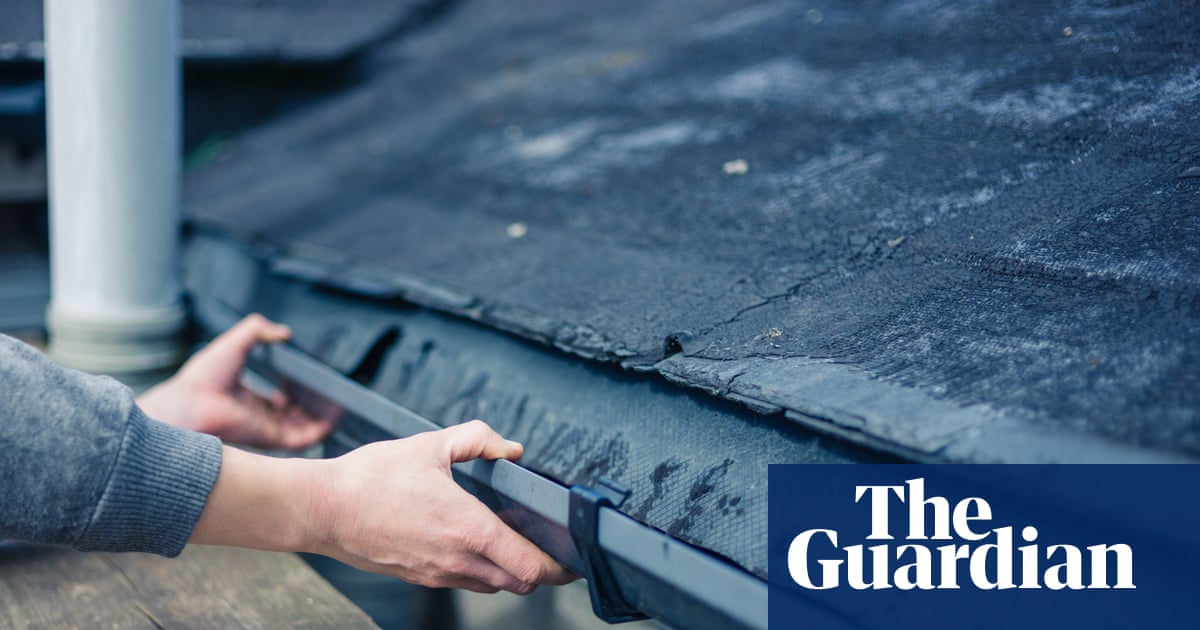
The builder who calls at your door says they are doing some work in the area and has spotted a loose tile on your roof. They offer to fix it for a good price that you agree to. But when they go up on their ladder to inspect the problem, they see another problem.
Rain has been splashing out of the gutters and the wood around them is getting damaged. The only solution, the builder says, is to have rigid PVC trays installed to divert the water. More rain is forecast and you are worried about what damage could be done so you pay the builder via bank transfer to get the job done there and then.
They are gone within an hour, having apparently completed the work. But nothing was done because there was no problem with your guttering. Instead you were one of a growing number of people who have been targeted by criminals posing as roofers, only to make off with payment after doing unnecessary or no work.
The charity Citizens Advice says suspected roofing frauds were the top scam it heard from consumers about in the last year. It received more than 2,200 complaints of suspected roofing scams in the year to August in England and Wales, about 10% more than the previous year. “The vast majority of cases is ... somebody just knocking on your door saying that they’ve noticed that there’s something wrong with your roof and they’re in a position to help you,” says Ruwani Purcell, the director of external affairs at Citizens Advice.
“The difficulty is [that] your roof is out of sight and out of reach. You can’t fully see what’s going on.” Purcell says the fraudsters use really persuasive tactics to offer you confidence and reassurance that they know what they’re talking about. “And you might not be familiar with [the] terms,” she says.
“In the worst case scenarios, they’ve been quite intimidating to compel people to hand over money there and then.” What it looks like While more than three-quarters of the roofing scams reported to Citizens Advice start with someone knocking at the door, some criminals look online for potential victims. In one case dealt with by Citizens Advice, a 65-year-old woman posted on an online platform that she needed someone to fix a dripping sound in her gutters. A builder phoned her to say that it would cost £250 but when he and another man came and examined her roof they said they had discovered more problems and the price quickly grew.
At one point they showed her a bucket of cement and said it was crumbling from under the tiles. The woman said the man and his accomplice said the work needed to be done immediately and once they claimed to have finished they wanted the payment straightaway. “I was afraid, two men in front of me in the dark, demanding money and making it clear they weren’t moving,” the victim told Citizens Advice.
“They knew I was alone, I didn’t feel like I could deal with anything that might happen after, so I paid £3,500.” She paid it using bank transfer. “The next day there was no trace that any work was done,” she said. “I felt stupid, and tried to contact them, but couldn’t get through.” What to do Be wary of anyone offering unsolicited work by cold calling and demanding confirmation of a job and payment there and then.
No reputable builder will do that, says Purcell. To check the roofer’s authenticity, ask for references and for all proposed work to be confirmed in writing. Treat it as a red flag if they refuse this or if they insist on being paid in cash.
To see if a trader is reputable, you can check your local council’s website as it often lists trusted traders. The government runs the TrustMark scheme which lists approved tradespeople. Citizens Advice says that if a trader has done a poor job without reasonable care and skill, the victim is entitled to ask for the problem to be fixed or get a refund under the Consumer Rights Act 2015.
Keep any paperwork and receipts, take photos and document what happened to make your case.
Source: The Guardian