 Gulf · Qatar Now
Global economic freedom rose in the latest 2026 report but remained below its pre-pandemic level, erasing a decade of progress Global economic freedom rose in the latest 2026 report but remained below its pre-pandemic level, erasing a decade of progress PR Newswire TORONTO, Oct. 6, 2026 TORONTO , Oct. 6, 2026 /PRNewswire/ -- Global economic freedom is beginning to recover after the pandemic but it remains below its pre-pandemic level and the recovery has been uneven, finds the annual Economic Freedom of the World report published today by the Fraser Institute. The 2026 report relies on 2024 data, which is the latest available year for which data can be compiled across 165 countries. "Global economic freedom fell during the pandemic as policymakers imposed new regulations, raised barriers to trade, increased government spending and taxes, and then printed money to pay for spending," said Matthew Mitchell, senior fellow at the Fraser Institute and a coauthor of the report.
Economic freedom—the degree to which individuals are allowed to make their own decisions about what to buy, where to work and whether to start a business—is fundamental to prosperity. Economic freedom measures openness to trade, tax and regulatory burdens, protection of property rights, government spending, and the soundness of a country's money. In 2024 Hong Kong was the most economically-free jurisdiction in the world (although it's score has declined in recent years), followed by Switzerland (2 nd ), Singapore (3 rd ), New Zealand (4 th ) and the United States (5 th ).
The rankings of other major countries include the United Kingdom (10 th ), Japan (13 th ), Canada (18 th ), Germany (19 th ), France (39 th ), Italy (47 th ), Korea (53 rd ), Indonesia (72 nd ), Mexico (77 th ), India (88 th ), Brazil (85 th ), China (110 th ), and Russia (143 rd ). The 10 lowest-ranked countries were Congo, Egypt, Malawi, Algeria, Iran, Myanmar, Libya, Sudan, Zimbabwe, and Venezuela. The report also includes an additional analysis based on more up-to-date data from the U.S.
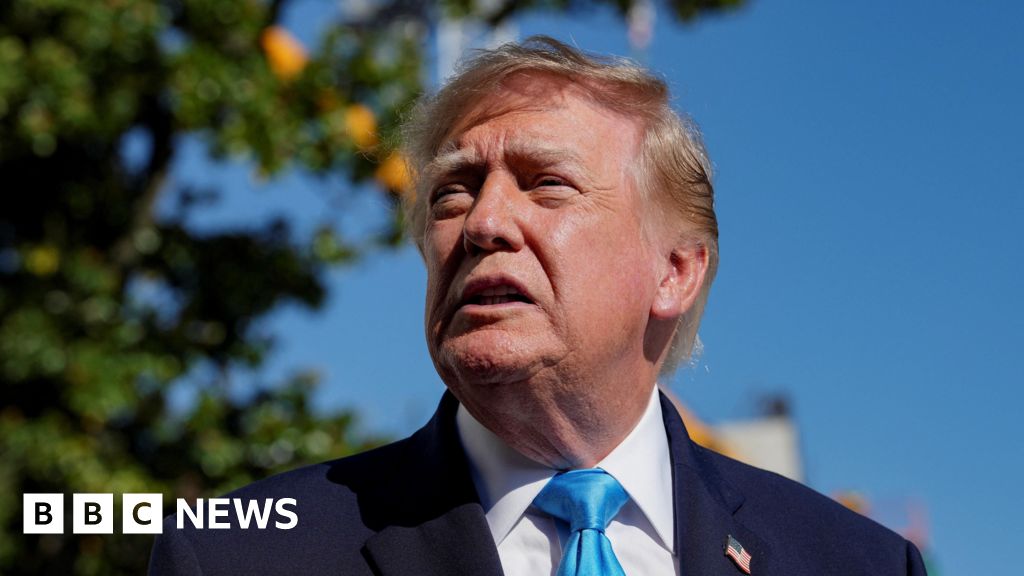
The authors project that when next year's data are released, US economic freedom will have fallen during the first year of President Trump's second term. People living in countries with high levels of economic freedom enjoy greater prosperity, more political and civil liberties, and longer lives. For example, in 2024, per-person GDP (an indicator of living standards) in countries in the top 25 per cent of economic freedom was US$65,596 compared to US$9,552 for countries in the least-economically 25 per cent.
And poverty rates are lower. In the most-economically free quartile, 2 per cent of the population experienced extreme poverty (living on less than US$4.10 per day) compared to 41 per cent in the least-free quartile. Finally, life expectancy is 81 years in the freest countries compared to 67 years in the least free.
"Where people are free to pursue their own opportunities and make their own economic choices, they lead more prosperous, happier and healthier lives," Mitchell said. Follow the Fraser Institute on Twitter and Facebook The Fraser Institute is an independent Canadian public policy research and educational organization with offices in Vancouver, Calgary, Toronto, and Montreal and ties to a global network of think-tanks in 87 countries. Its mission is to improve the quality of life for Canadians, their families and future generations by studying, measuring and broadly communicating the effects of government policies, entrepreneurship and choice on their well-being.
To protect the Institute's independence, it does not accept grants from governments or contracts for research. Visit www.fraserinstitute.org View original content to download multimedia: https://www.prnewswire.com/news-releases/global-economic-freedom-rose-in-the-latest-2026-report-but-remained-below-its-pre-pandemic-level-erasing-a-decade-of-progress-302899016.html SOURCE The Fraser Institute The articles, information, and content displayed on this webpage may include materials prepared and provided by third parties. Such third-party content is offered for informational purposes only and is not endorsed, reviewed, or verified by Morningstar.
Morningstar makes no representations or warranties regarding the accuracy, completeness, timeliness, or reliability of any third-party content displayed on this site. The views and opinions expressed in third-party content are those of the respective authors and do not necessarily reflect the views of Morningstar, its affiliates, or employees. Morningstar is not responsible for any errors, omissions, or delays in this content, nor for any actions taken in reliance thereon.
Users are advised to exercise their own judgment and seek independent financial advice before making any decisions based on such content. The third-party providers of this content are not affiliated with Morningstar, and their inclusion on this site does not imply any form of partnership, agency, or endorsement.
Source: Morningstar